
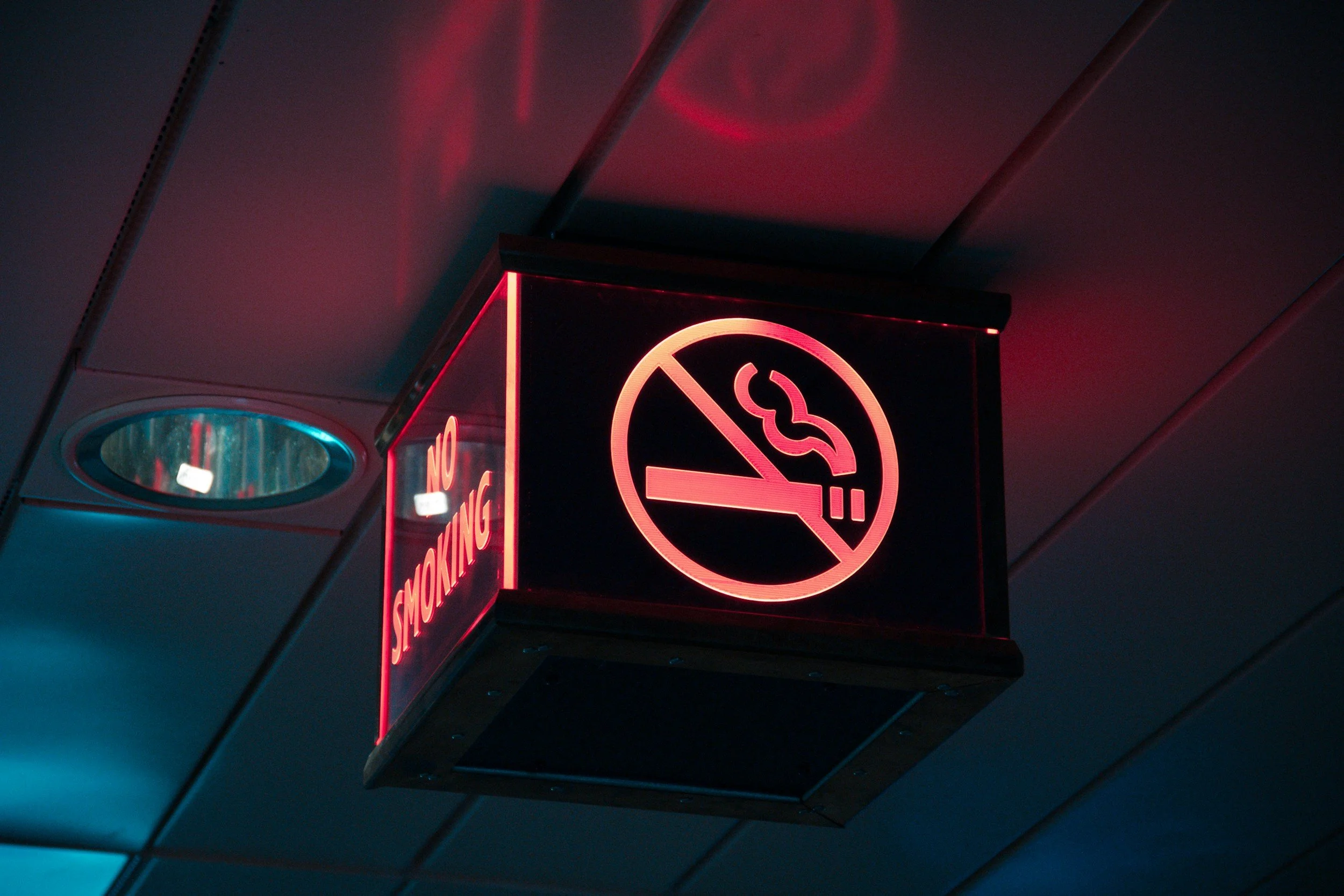
World No Tobacco Day: Clearing the Air on Smoking and Vaping
Every year on 31 May, World No Tobacco Day shines a spotlight on one of the biggest preventable threats to health worldwide. The 2026 campaign theme, “Unmasking the appeal – countering nicotine and tobacco addiction,” focuses on how tobacco and nicotine products are still being repackaged and marketed in ways that attract new users, especially younger people. It is a timely reminder that while smoking rates have fallen in many places, nicotine addiction has not quietly gone away. It has simply changed shape.
Smoking is still doing enormous damage
Despite decades of progress, tobacco remains one of the world’s most serious public health problems. The World Health Organization (WHO) says tobacco kills more than 7 million people each year, including about 1.6 million non-smokers exposed to second-hand smoke. It also states that tobacco kills up to half of its users who do not quit. Globally, the number of tobacco users has fallen from 1.38 billion in 2000 to 1.2 billion in 2024, which is encouraging, but WHO still says tobacco hooks one in five adults worldwide.
Australia has made real progress, but the job is not finished. The Australian Bureau of Statistics (ABS) reports that 10.6% of Australian adults were current daily smokers in 2022, down from 22.4% in 2001. Even so, the Australian Institute of Health & Welfare (AIHW) says tobacco was still the second highest risk factor contributing to the burden of disease in Australia in 2024, responsible for 7.6% of the total burden of disease and injury. In other words, smoking is less common than it used to be, but it is still punching well above its weight when it comes to illness, hospital care and preventable harm.
Vaping has changed the conversation
If smoking was the old public health battle, vaping is the newer and more complicated one. In Australia, AIHW reports that current e-cigarette use rose from 2.5% in 2019 to 7.0% in 2022–2023, while lifetime use rose from 11.3% to 19.8% over the same period. Young adults stand out most sharply in the data: 49% of Australians aged 18 to 24 had used e-cigarettes at least once, and 21% were current users in 2022–2023. Among people currently using e-cigarettes, 73% said the last vape they used contained nicotine, and among daily users that figure was 85%.
That rise is exactly why World No Tobacco Day has broadened its focus from cigarettes alone to nicotine more generally. WHO says e-cigarettes are often marketed to children and adolescents through social media, influencers, sleek product design and at least 16,000 flavours. It also estimates that 37 million children aged 13 to 15 use tobacco globally, and reports that in many countries adolescent e-cigarette use now exceeds adult use. The message from public health agencies is fairly blunt: nicotine products may look newer and cleaner, but the addiction risk is still very real.
Smoking and vaping are not the same thing
One of the most important points to get right is that smoking and vaping are not identical risks, even though both deserve concern. Cigarette smoking involves burning tobacco, which exposes the body to a large mix of toxic chemicals and is clearly linked to cancers, cardiovascular disease, lung disease and premature death. Vapes do not burn tobacco, and a major Cochrane review notes that regulated nicotine e-cigarettes do not expose users to the same levels of chemicals that cause disease in people who smoke conventional cigarettes.
That said, “less harmful than cigarettes” does not mean harmless. WHO states that e-cigarettes can contain substances that are harmful to health, and the long-term health effects are still being worked through. The Cochrane review found the most commonly reported side effects were throat or mouth irritation, headache, cough and nausea. WHO also warns that youth vaping is not a side issue, because studies show e-cigarette use can increase later cigarette uptake among non-smoking young people by nearly three times.
So where does vaping fit?
This is where the conversation needs a bit of balance. For adults who already smoke, the evidence suggests nicotine e-cigarettes can help some people quit. The latest Cochrane review found high-certainty evidence that nicotine e-cigarettes increase quit rates compared with nicotine replacement therapy, and the review estimated that for every 100 people using nicotine e-cigarettes to stop smoking, 8 to 11 might quit, compared with about 6 in 100 using nicotine replacement therapy.
But that does not make vaping a wellness product, a lifestyle accessory or a good idea for non-smokers. AIHW reports that in Australia, only 1 in 5 people who had ever used e-cigarettes said they first used them to help quit smoking, while the most common reason was simply curiosity. That is a very different picture from a neatly medicalised quitting tool. It suggests that for a lot of people, especially younger users, vaping is not replacing smoking cessation support. It is creating a separate pathway into nicotine dependence.
Australia’s current approach
Australia’s policy settings reflect that tension. The Australian Government says that since 1 October 2024, people aged 18 and over can buy certain therapeutic vapes with a nicotine concentration of 20 mg/mL or less from participating pharmacies without a prescription, where state and territory laws allow. They must still speak with the pharmacist about the product, dosage and other options for quitting smoking or managing nicotine dependence. Australia is not treating vapes like ordinary retail products. It is trying to keep them in a more controlled, therapeutic lane.
What World No Tobacco Day is really asking us to notice
The clever part of the 2026 campaign is that it shifts the focus away from just the product and onto the appeal of the product. Bright colours, sweet flavours, polished design and a “cleaner” image can all soften the public perception of nicotine. That is exactly what WHO is trying to unmask. Whether the product is a cigarette, vape or another nicotine device, the central issue remains the same: addiction, health risk and the long game of keeping customers coming back.
Looking to quit smoking or vaping in Australia? The Australian Government advises people to speak with a doctor or pharmacist, visit Quit.org.au, or call Quitline on 13 QUIT (13 7848) for free, confidential support.
May 25