
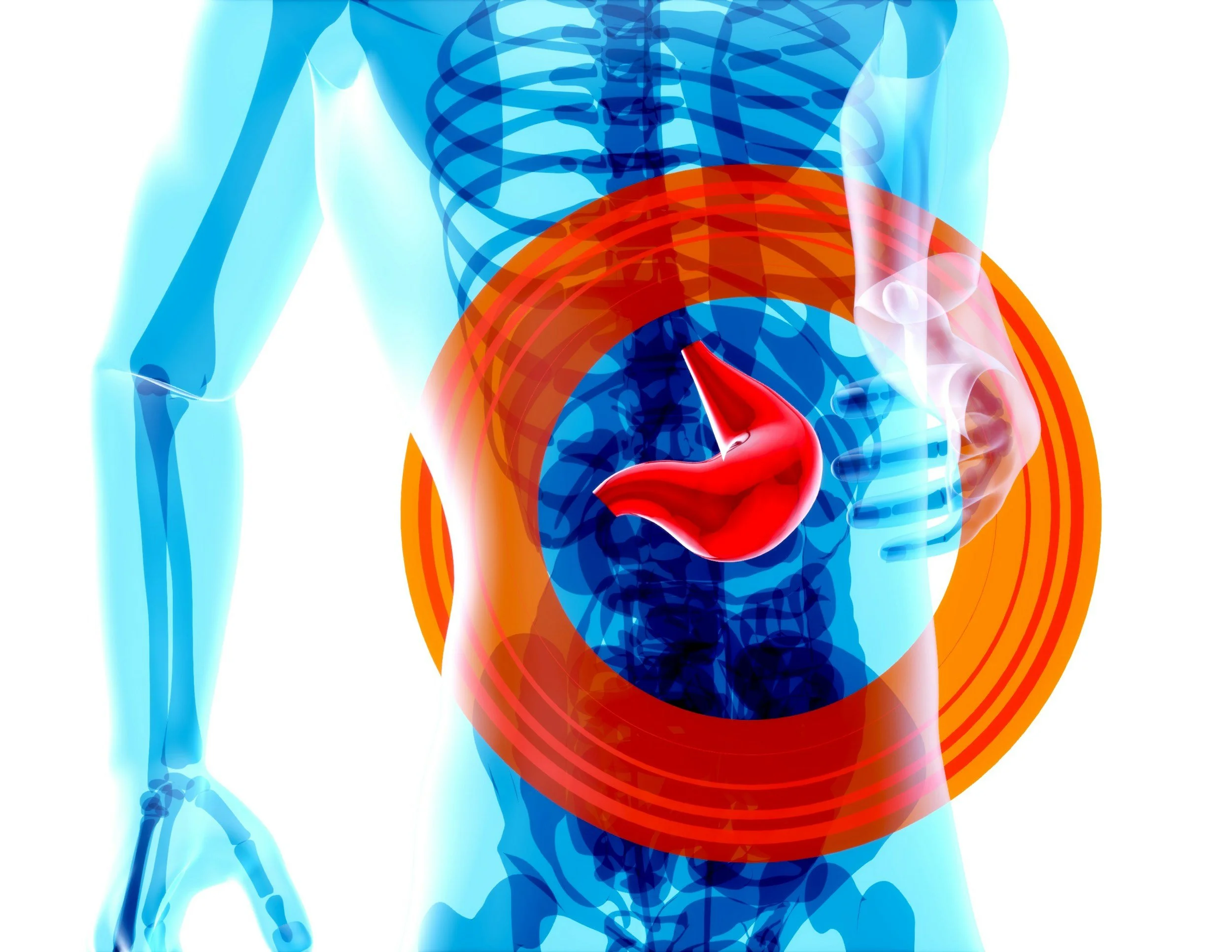
What Your Liver Mght Be Trying to Tell You
Fatty liver disease is one of the most common liver conditions in the world, yet many people have never heard of it until it appears on a blood test or scan. It can sound alarming, but the good news is that in many cases, fatty liver disease can be improved and even reversed with the right lifestyle changes and medical support.
Put simply, fatty liver disease happens when excess fat builds up inside the liver. The liver naturally contains some fat, but when too much accumulates, it can interfere with how the liver works. Over time, this can lead to inflammation, scarring and, in more serious cases, liver failure or liver cancer.
A changing name for a growing condition
For many years, this condition was commonly known as non-alcoholic fatty liver disease, or NAFLD. More recently, international liver experts have updated the terminology. The condition is now often referred to as metabolic dysfunction associated steatotic liver disease, or MASLD.
The name change is important because it better reflects what is happening in the body. This is not simply about fat in the liver, nor is it only about alcohol. It is closely linked with metabolic health, including weight, blood sugar, cholesterol, blood pressure and insulin resistance.
There is also a more serious form called metabolic dysfunction associated steatohepatitis, or MASH. This occurs when fat build up in the liver causes inflammation and liver cell damage. MASH can lead to fibrosis, which is scarring of the liver. The more scarring that develops, the greater the risk of cirrhosis and serious liver complications.
How common is fatty liver disease?
Fatty liver disease has become a major global health issue. Research suggests that around one in three adults worldwide may have some form of fatty liver disease, with rates rising alongside obesity, type 2 diabetes and increasingly sedentary lifestyles.
The numbers are significant. Global studies have estimated that fatty liver disease affects more than 30% of adults, and some research shows prevalence has increased substantially over recent decades. It is particularly common in people living with obesity, type 2 diabetes, high cholesterol and high blood pressure.
This is why fatty liver disease is often described as a “silent epidemic”. It is common, it is increasing, and in many cases, people do not know they have it.
Why does fat build up in the liver?
The liver is a hardworking organ. It helps process nutrients, filter toxins, produce bile for digestion, store energy and regulate many important chemicals in the body. When the body regularly receives more energy than it needs, particularly from highly processed foods, sugary drinks and excess calories, the liver can begin storing more fat.
Fatty liver disease is strongly linked with insulin resistance. Insulin is the hormone that helps move sugar from the bloodstream into the body’s cells. When the body becomes resistant to insulin, blood sugar levels can rise and the liver may produce and store more fat.
Several factors can increase the risk of fatty liver disease, including:
• Carrying excess weight, particularly around the waist
• Type 2 diabetes or pre diabetes
• High cholesterol or high triglycerides
• High blood pressure
• Low levels of physical activity
• A diet high in added sugars, refined carbohydrates and saturated fats
• Polycystic ovary syndrome
• Sleep apnoea
• Some medications
• Family history or genetic risk
Alcohol can also contribute to liver fat and liver damage. Some people may have both metabolic risk factors and alcohol related liver stress, which can increase the burden on the liver.
What are the symptoms?
One of the challenges with fatty liver disease is that it often causes no symptoms in the early stages. Many people feel completely well. It may only be picked up after routine blood tests show abnormal liver enzymes, or after an ultrasound, CT scan or other imaging test.
When symptoms do occur, they can be vague. Some people experience fatigue, discomfort or a dull ache in the upper right side of the abdomen, or a general sense of feeling unwell. In more advanced liver disease, symptoms may include yellowing of the skin or eyes, swelling in the abdomen or legs, easy bruising, confusion, or unexplained weight loss. These signs require urgent medical attention.
Because symptoms can be absent, people with metabolic risk factors should speak with their GP or health professional about whether liver health checks are appropriate.
Beyond the liver
Fatty liver disease is not just a liver issue. It is often a sign that the body’s metabolic health is under strain. People with fatty liver disease are more likely to have or develop type 2 diabetes, cardiovascular disease and chronic kidney disease.
In fact, for many people with fatty liver disease, the greatest health risk is not only liver failure, but heart disease. This is why management focuses on the whole person, not just the liver scan or blood test result. Improving blood pressure, cholesterol, blood sugar, weight, fitness, sleep and nutrition can all help reduce risk.
Can fatty liver disease be reversed?
In many cases, yes. The liver has a remarkable ability to heal, particularly when fatty liver disease is identified early. Reducing liver fat and improving metabolic health can lower inflammation and help prevent progression.
Weight loss, where appropriate, can make a meaningful difference. Even modest weight loss may reduce fat in the liver. Greater and sustained weight loss may be needed to improve inflammation and scarring in people with more advanced disease.
The most effective approach is usually not a crash diet, but sustainable lifestyle change. This may include eating more whole foods, reducing sugary drinks and ultra processed foods, increasing physical activity, improving sleep, managing stress and seeking support for long term behaviour change.
What does a liver friendly lifestyle look like?
A liver friendly lifestyle is really a metabolic health friendly lifestyle.
A Mediterranean style eating pattern is often recommended because it supports heart and metabolic health. This usually includes plenty of vegetables, legumes, wholegrains, fruit, nuts, seeds, olive oil, fish and lean proteins, while limiting highly processed foods, sugary drinks, refined carbohydrates and excess saturated fat.
Physical activity is also important. Regular movement can help reduce liver fat, improve insulin sensitivity and support healthy weight management. This does not have to mean intense gym sessions. Brisk walking, cycling, swimming, resistance training, gardening and active daily routines can all help. The key is consistency.
Reducing alcohol intake is also important, especially for people who already have liver inflammation or scarring. It is best to discuss safe limits with a health professional, as advice may differ depending on a person’s liver health and overall risk.
How is it diagnosed and monitored?
Fatty liver disease may be suspected after abnormal liver blood tests or imaging that shows fat in the liver. However, not everyone with fatty liver disease has abnormal blood tests, and not everyone with abnormal liver enzymes has fatty liver disease.
Health professionals may use a combination of medical history, blood tests, imaging and non-invasive fibrosis scores to assess risk. Some people may be referred for a FibroScan or specialist review to check liver stiffness and scarring. A liver biopsy is now less common, but may still be used in selected cases.
People at higher risk, such as those with type 2 diabetes, obesity with additional metabolic risk factors, or abnormal liver enzymes, may need closer monitoring.
Are there treatments?
For most people, lifestyle change remains the foundation of treatment. Managing related conditions such as diabetes, high cholesterol and high blood pressure is also essential.
There have been important advances in medication for more severe forms of fatty liver disease, particularly MASH with moderate to advanced fibrosis. In some countries, medications have now been approved for specific patients, alongside diet and exercise. These treatments are not suitable for everyone and should only be considered under specialist medical advice.
Nov26