
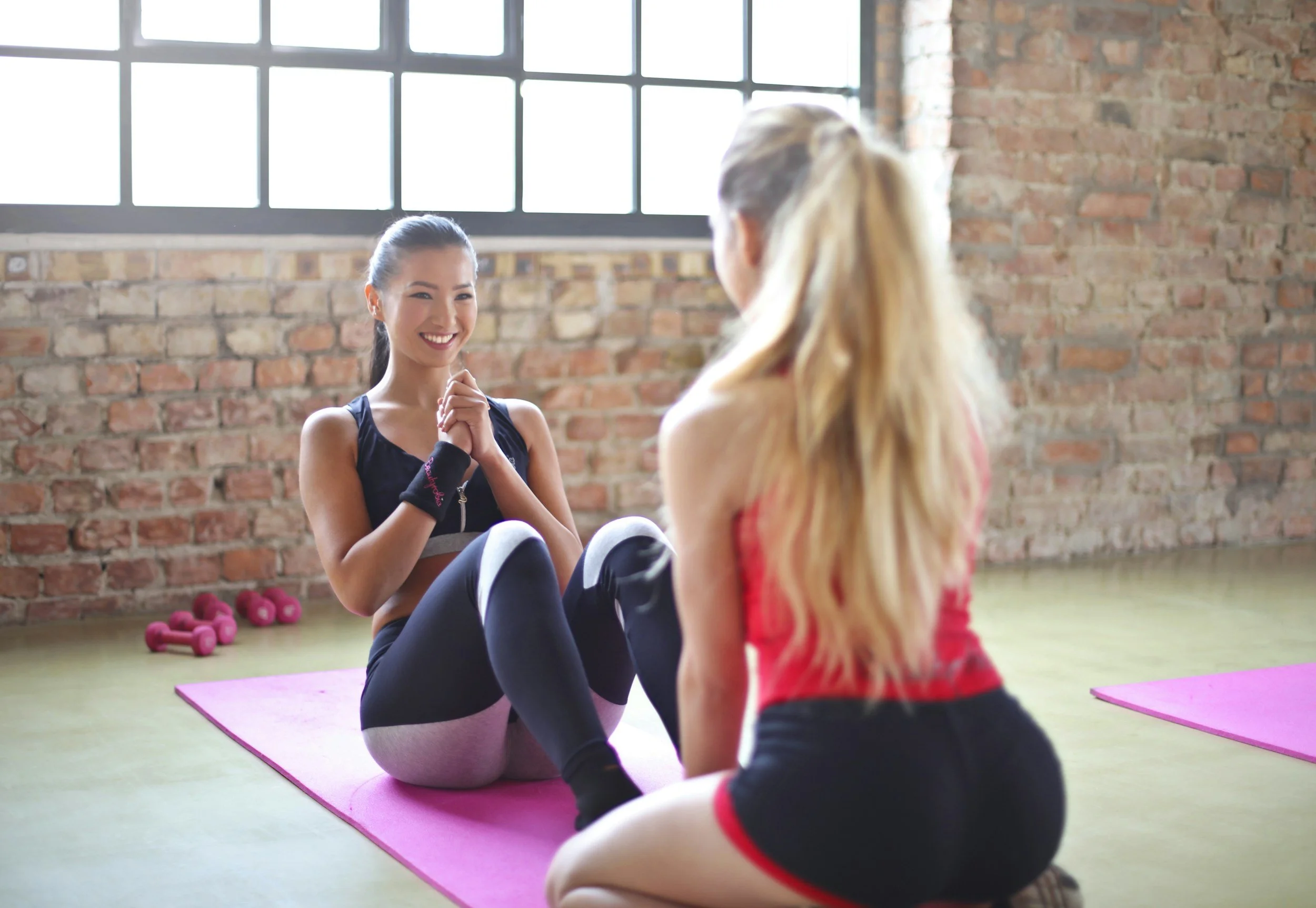
THE BEGINNERS GUIDE TO THE GYM
Thinking about getting fitter for summer? The gym can give you useful tools, structure and support, but you do not need to know everything before you walk through the door.
The first visit to a gym can feel surprisingly intimidating. There are unfamiliar machines, unwritten rules and people who appear to know exactly what they are doing. It is easy to assume you need to get fit before you join, arrive with a detailed program or keep up with the most experienced person in the room.
You do not. Everyone in the gym was new once, and a sensible beginning is usually far simpler than social media makes it look.
Start with a reason that goes beyond summer
November is often when people begin thinking about fitness or weight loss ahead of summer. That can provide an initial spark, but appearance-based goals alone can create pressure to make dramatic changes quickly. A more useful question is: what would you like exercise to help you do or feel?
You might want more energy, greater strength, better mobility, improved fitness, less time sitting or the confidence to be more active on holiday. These goals give you more ways to notice progress than the number on a scale. They also support habits that can last beyond summer.
Before your first workout
Most gyms provide an orientation or introductory session. Use it. Ask a staff member to show you how to adjust equipment, use safety features and choose an appropriate starting resistance. The Australian Adult Pre-Exercise Screening System is also used by exercise professionals to identify health risks that may affect how someone begins exercising.
Speak with your GP or an appropriately qualified health or exercise professional before beginning if you have symptoms such as chest discomfort, unexplained dizziness or unusual breathlessness, or if a health condition, injury, pregnancy or long period of inactivity may affect your exercise choices.
What to bring
· Comfortable clothing that allows you to move freely.
· Supportive shoes suited to the activity you plan to do.
· A water bottle and small towel, if required by the gym.
· Headphones if you enjoy them, while staying aware of people and equipment around you.
· A simple plan so you are not deciding everything once you arrive.
Expensive activewear and supplements are not entry requirements. The best equipment is the equipment you can use safely and consistently.
A simple first session
Your first visit does not need to test your limits. It is an opportunity to learn the space and finish feeling capable of returning. One simple approach is:
· Warm up with five to ten minutes of easy walking, cycling or rowing.
· Choose four to six movements covering the major areas of the body, such as a squat or leg press, a pushing exercise, a pulling exercise, a hip movement and a core exercise.
· Use a light, manageable resistance and move with control.
· Finish with a few minutes of easier movement and allow your breathing to settle.
A gym instructor or registered exercise professional can help select exercises and show you correct technique. Stop if you experience sharp pain, chest pain, faintness or symptoms that feel unusual for you.
How hard should it feel?
Beginners often assume a workout must leave them exhausted to be effective. It does not. During moderate aerobic activity, you should generally be breathing faster while still able to speak in short sentences. During strength exercises, the final repetitions should feel challenging, but your technique should remain controlled.
Delayed muscle soreness can occur when you try unfamiliar exercise. Mild stiffness that improves over a few days is different from sudden, severe or worsening pain. More soreness does not mean more progress.
Gym etiquette without the mystery
· Return weights and equipment after use.
· Wipe down equipment according to the gym's policy.
· Avoid occupying several pieces of equipment at once when the gym is busy.
· Give others enough space to exercise safely.
· Ask before sharing equipment or working between another person's sets.
Consistency beats the perfect program
Australia's movement guidelines encourage adults to be active on most days and include muscle-strengthening activity on at least two days each week. That is a direction to build towards, not a requirement to achieve in your first week.
Begin with a schedule you can realistically repeat. Two gym visits each week may be a stronger starting point than planning six and abandoning the routine after a fortnight. Leave room for walking, recreational activity, recovery and sleep. Fitness is not created by one punishing workout. It develops through manageable effort repeated over time.
Your first-month mindset
Learn before you load. Finish with something left in the tank. Record what you did. Increase one element at a time. Ask for help when you need it.
Nov 26